Related sourcing hub: Compare fancy yarn types and product categories before sample requests, including tape yarn, metallic yarn, chenille yarn, brushed yarn, space dyed yarn and tube yarn.
Buyer Route for Tape Yarn Samples
Sample route: review the Tape Yarn Supplier Guide, then send count, composition, gauge, color-card reference and sweater use through the yarn sample request page.
What Is Tape Yarn Used For in Knitting?
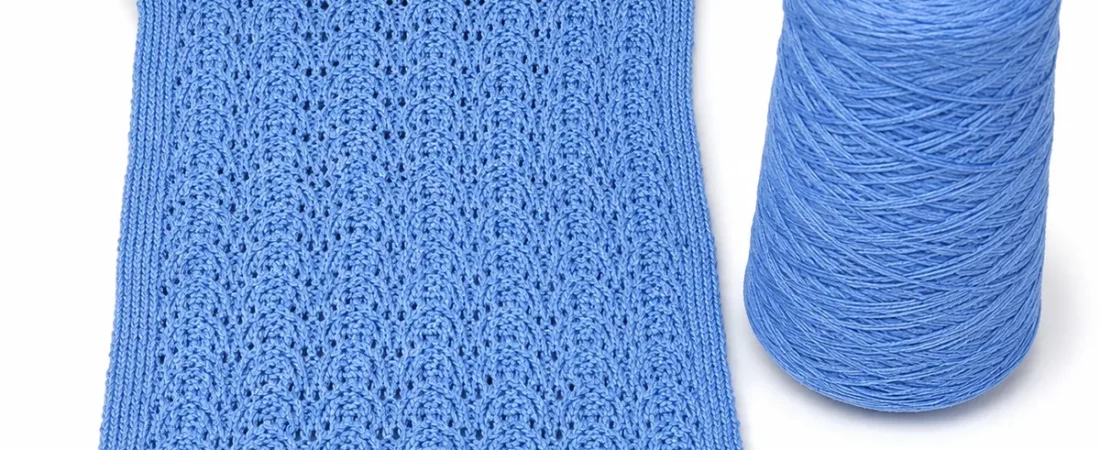
For buyers searching what is tape yarn, yarn tape or tape yarn for knitting, the key point is structure. Tape yarn is a flat, round or tube-style yarn that creates a visible stitch surface, light texture and stable shape in sweaters, cardigans, scarves and fashion fabrics.
- Count direction: confirm NM count, yarn width and target gauge before sample knitting.
- Structure: compare tape yarn with tube yarn when the fabric needs more body or a softer filled hand feel.
- Sample route: browse Tape Yarn, then send count, gauge, color-card reference and garment use to request a swatch.
Tape yarn in our product range usually refers to a tubular or round tape-like fancy yarn structure. Compared with ordinary spun yarn, our tape yarn usually creates a tube-style or round tape structure, a clearer texture and a more dimensional fabric appearance. It is widely used in sweaters, cardigans, scarves, knitted outerwear and fashion textile development.
For knitwear factories and yarn buyers, tape yarn is not only a material choice, but also a design tool. By changing the yarn count, material blend, tube structure, color, twist and surface finish, the same yarn direction can create very different fabric effects. Some tape yarns are soft and casual, while others are more structured, shiny or dimensional.
Qianyao Textile supplies tape yarn and supports custom tape yarn development for B2B buyers who need sample yarns, color matching and bulk production support.
Buyer note: In sourcing conversations, buyers may search for this product as tape yarn, yarn tape, Tube Yarn or tube-style tape yarn. The exact structure should be confirmed by sample photo, finished yarn count and hand feel. Common buyer specifications include 1.7Nm-7.2Nm, 3GG/5GG/7GG sweater use, and materials such as acrylic, cotton, cotton-acrylic blends, polyester, lyocell, linen-cotton and metallic blends.
What Is Tape Yarn?
Tape yarn is generally made with a tubular or round tape structure in our product range. Instead of forming a compact round yarn, it spreads the yarn body into a tape-like shape. This gives the yarn more visual width and helps the finished fabric show a stronger surface texture.
In knitwear, tape yarn can make the fabric look fuller without always needing a very heavy yarn count. It can also create a more casual, modern or decorative look compared with standard spun yarn.
Common tape yarn styles include cotton tape yarn, acrylic tape yarn, nylon blend tape yarn, metallic tape yarn and blended fancy tape yarn. Some styles are simple and clean, while others may include lurex, slub effects, brushed surfaces or core-spun structures.
Common Materials Used in Tape Yarn
Tape yarn can be made from different fibers depending on the target handfeel, cost and application. Common material options include cotton, acrylic, nylon, polyester, viscose, lyocell and metallic yarn components.
Cotton tape yarn is often chosen for breathable and natural handfeel. Acrylic tape yarn is widely used for sweater yarn development because it is flexible, cost-effective and easy to produce in many colors. Nylon can improve strength and elasticity in some structures. Polyester and lurex components can add brightness, shine or decorative effects.
For B2B buyers, the material choice usually depends on the final garment positioning. A soft casual sweater may use a cotton acrylic blend, while a fashion knit style may use metallic tape yarn or a more textured fancy structure.
Tape Yarn Structures and Surface Effects
The most important feature of tape yarn is its structure. Because its tube-style structure is different from ordinary spun yarn, it can show a clear stitch appearance after knitting. This makes it useful for designs where texture and visual surface are important.
Some tape yarns have a clean and smooth surface. These are suitable for simple knitwear styles, cardigans and casual sweaters. Other tape yarns may have a more irregular or fancy effect, such as slub texture, metallic shine or brushed hairiness.
Tape yarn can also be combined with other yarns. For example, metallic tape yarn can be used together with cotton acrylic yarn to create a shiny decorative effect. Core-spun or filled tube structures can also be developed when buyers need a fuller handfeel or more dimensional appearance.
Typical Applications of Tape Yarn
Tape yarn is widely used in knitwear and fashion textile products. Common applications include sweaters, cardigans, scarves, knitted jackets, outerwear panels, trims and decorative knit fabrics.
In sweater development, tape yarn can help create a relaxed and textured look. It is suitable for both plain stitch and structured stitch designs, depending on the gauge and yarn count. For heavier knitwear, tape yarn can create a full surface without looking too plain. For fashion items, metallic or special-effect tape yarn can add visual interest.
Tape yarn is also useful for seasonal collections. Buyers can develop different color cards, material blends and surface effects based on market trends. This makes it a flexible yarn category for brands, importers and knitwear factories.
How to Choose Tape Yarn for Knitwear
When choosing tape yarn, buyers should first confirm the final application. A sweater, scarf, trim or outerwear fabric may need different yarn count, strength and handfeel.
The second factor is gauge. Some tape yarns are better for coarse gauge knitting, while others can be adjusted for different machines. If the target is 5GG, 7GG or another gauge, the yarn supplier should check whether the yarn count and structure are suitable.
The third factor is material. Cotton blends may be preferred for breathable handfeel, while acrylic blends are often used for cost control and color flexibility. Metallic components are suitable when the design needs shine or a decorative surface.
Color is also important. Tape yarn can be developed in solid colors, melange effects, space dyed effects or combined colors. For buyers who already have a target sample, sending a physical sample or clear reference photo can help the supplier recommend a closer yarn direction.
Custom Tape Yarn Development
Many tape yarn projects require customization. Buyers may need a specific handfeel, color, yarn count, composition or surface effect. In this case, custom development is usually more suitable than choosing only from existing stock.
Qianyao Textile supports custom fancy yarn development based on buyer requirements. The development process can include sample analysis, material discussion, count adjustment, color matching and trial sample production. This is useful for buyers who want to create a new knitwear texture or improve an existing yarn quality.
For faster communication, buyers can provide the target yarn count, material preference, application, gauge, color requirement and sample photo. If there is an existing yarn or fabric sample, it can help the development team understand the required effect more accurately.
Tape Yarn Supplier for B2B Buyers
For international buyers, choosing a tape yarn supplier is not only about the yarn itself. It is also important to consider sample support, communication speed, color development, MOQ, production stability and export experience.
Qianyao Textile supplies tape yarn and other fancy yarn categories for knitwear factories, yarn importers and fashion textile buyers. Our product range includes tape yarn, metallic tape yarn, filled tube yarn, covered yarn, space dyed yarn and brushed fancy yarn.
Buyers can review current product directions on the Tape Yarn category page, explore our full fancy yarn product range, or contact Qianyao Textile for custom development support based on their target fabric or garment design.
Specification tip: If you are preparing an inquiry, use the Yarn Specification Checklist to organize yarn count, material, knitting gauge, color reference, hand feel and sample details before sending your requirement.
FAQ
What is tape yarn used for?
Tape yarn is mainly used for sweaters, cardigans, scarves, knitted outerwear, trims and decorative knit fabrics. It is popular when buyers want a more dimensional yarn structure and stronger texture than ordinary spun yarn.
Is tape yarn suitable for sweaters?
Yes. Tape yarn is widely used in sweater and knitwear development. The final suitability depends on yarn count, material, gauge and target handfeel.
Can tape yarn be customized?
Yes. Tape yarn can be customized by material, count, color, tube structure and surface effect. Buyers can send reference samples or photos for development discussion.
What is the difference between tape yarn and metallic tape yarn?
Tape yarn refers to a tubular or round tape-like yarn structure in our product range. Metallic tape yarn includes shiny lurex or metallic components, creating a brighter decorative effect for fashion knitwear.
Related guide: For shiny decorative knitwear effects, read our guide to metallic tape yarn for knitwear.
Related guide: For a broader buying framework, read how to choose fancy yarn for sweaters and knitwear development.
Related yarn guides
- Metallic Tape Yarn for Knitwear
- What Is Chenille Yarn?
- Brushed Yarn for Knitwear
- Core-Spun Yarn vs Filled Tube Yarn
You can also browse our fancy yarn products or send a custom yarn inquiry.
More Fancy Yarn Sourcing Guides
For available color cards and faster sourcing discussion, buyers can also review our stock yarn color cards.
For a broader category overview, compare our fancy yarn product categories sourcing hub.
Need a Fancy Yarn Recommendation?
Share your target garment, yarn count, material preference, color direction, sample photo and estimated order quantity. Qianyao Textile can help compare stock color cards, sample development options and bulk order feasibility.
Practical Tape Yarn Specification Notes
Qianyao Textile’s current tape yarn range is commonly around 1.7Nm to 7.2Nm, with material directions such as acrylic, cotton, cotton-acrylic blends, polyester, metallic yarn, lyocell and linen-cotton blends. Final suitability depends on the actual count, gauge, material and fabric target.
For sweater manufacturing, tape yarn can be discussed for 3GG, 5GG and 7GG applications when the buyer’s sample, fabric density and hand feel target are clear.
If metallic yarn is included in a round tape yarn, avoid high-temperature post-dyeing routes that may cause the metallic surface to oxidize or fade. A safer route for cotton plus metallic tape yarn is to dye the cotton yarn first, then combine it with metallic yarn during tape yarn production.
Tape Yarn and Tube Yarn: Buyer Naming Notes
Google searches often mix tape yarn, Tube Yarn, cotton tape yarn and tube yarn. In supplier communication, these names are not always the same product. Different tube-style and round tape-style sweater yarn structures may knit and feel differently.
For Qianyao Textile tape yarn projects, buyers should confirm whether they need a round tube yarn, hollow tape yarn or a metallic tape/tube effect. Send the target yarn count, sample photo, gauge and hand feel so the structure can be matched correctly. For metallic effects, also review what Lurex yarn means for knitting.
Yarn Count and Gauge Check
Before confirming a sample, buyers should check NM count together with 3GG, 5GG or 7GG gauge, yarn structure and hand feel. See the guide: Yarn Count NM Guide for 3GG, 5GG and 7GG Sweaters.
Tube Yarn Search Note
Some buyers search for this structure as Tube Yarn, especially when they focus on the tape-style or tube-style visual effect. For the naming difference, count direction and sampling checklist, read What Is Tube Yarn?.
Request Tape or Tube Yarn Samples
To confirm tape yarn or Tube Yarn for sweater production, send the target count, material direction, color reference, gauge, fabric photo and estimated quantity. You can request a yarn sample, request stock yarn color cards or send a tape/Tube Yarn inquiry.
Tape Yarn Machine Structure: Why Needle Cylinder Setup Matters
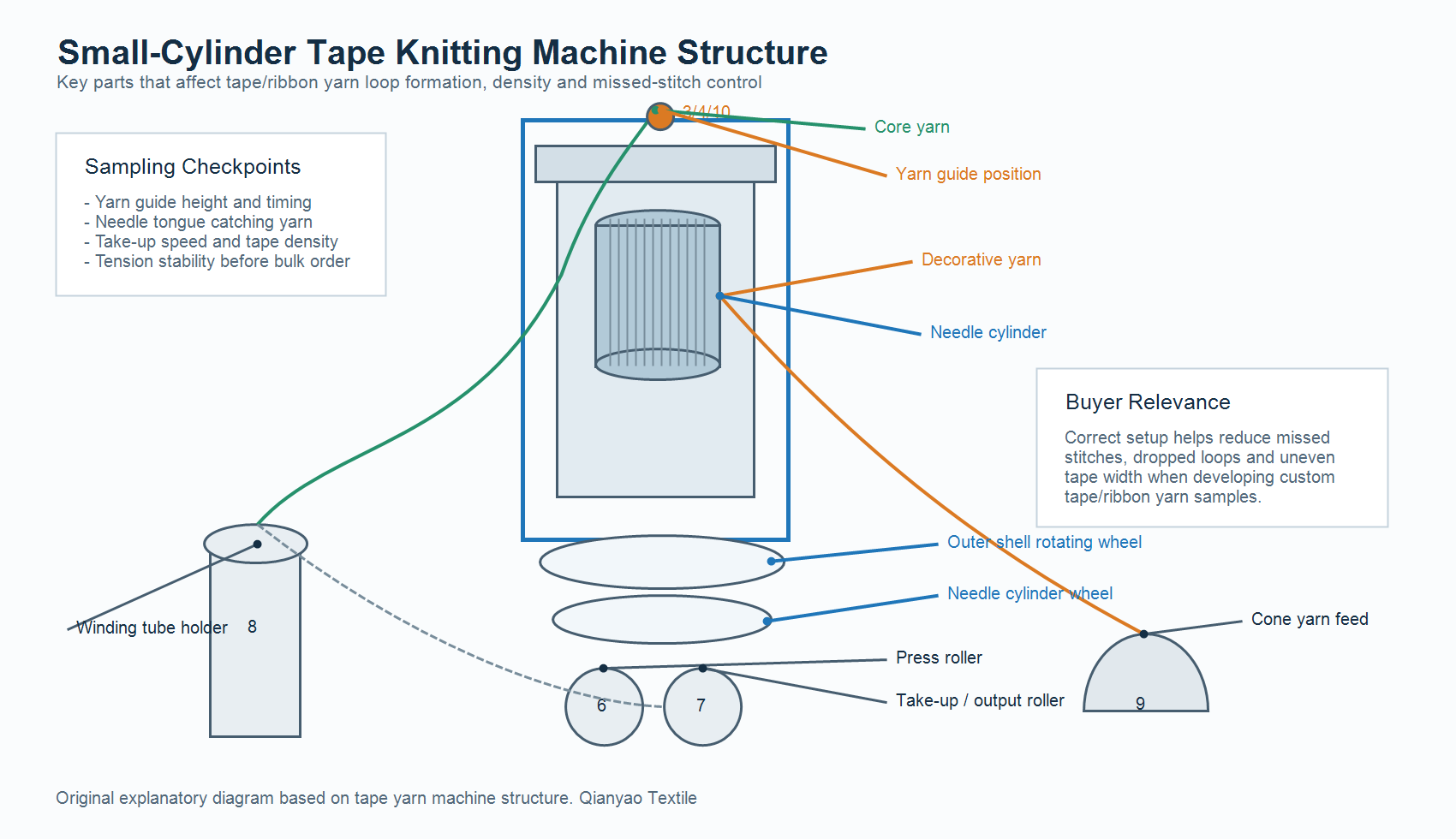
In tape yarn and Tube Yarn production, the small-cylinder machine structure is directly related to loop stability. The core yarn and decorative yarn are guided into the knitting area, while the yarn guide, needle cylinder, press roller and take-up roller work together to form the tubular or tape-like yarn body.
The yarn guide position is one of the most important settings. If the guide is too high, too low or not aligned with the needle movement, the needle tongue may cover the hook or push the yarn away. This can cause missed stitches, dropped loops, uneven tape width or unstable density during sampling.
The take-up/output roller also affects the final hand feel and density. Faster take-up can stretch the loops and make the tape less dense, while slower take-up can create a denser tape. For custom development, buyers should confirm target count, material, color effect, hand feel and swatch appearance before bulk production.
- Key machine parts: yarn guide, needle cylinder, outer shell, press roller, take-up/output roller and tension control.
- Sampling focus: loop catching, missed-stitch control, tape density, width consistency and surface effect.
- Buyer information to provide: target NM count, material composition, color reference, metallic or space-dyed effect, and intended sweater or hand-knitting use.
Tape Yarn Sample Development Notes for Buyers
Our tape yarn direction refers to round or tube-style tape yarn used in knitwear development, not flat strip yarn. It is commonly considered for sweaters, cardigans, scarves and textured fashion fabrics when buyers need visible structure and soft volume.
- Common count range: many developments fall around 1.7NM to 7.2NM depending on material and fabric weight.
- Material choices: acrylic, cotton, cotton acrylic blends, polyester, lyocell, linen cotton and lurex combinations can be developed according to the requested effect.
- Gauge direction: 3GG, 5GG and 7GG are common references for sweater sampling.
- Metallic note: if metallic yarn is included, the base yarn color should usually be prepared before making the tape yarn because later dyeing can damage the metallic surface.
For tape yarn sourcing, send your count, color reference, material direction and fabric target through our custom yarn quotation page.
Supplier sourcing note: If you are comparing yarn suppliers for this structure, review our Wholesale Fancy Yarn Supplier Guide for count range, material selection, sample support and quotation details. You can also send a direct yarn quotation request with target count, composition, color reference, gauge and estimated quantity.
New Buyer Guides for Yarn Selection
If you are choosing yarn by garment use, review our guides for winter sweater yarn, summer cardigan yarn, non-itchy sweater yarn, lightweight knitwear yarn and tape yarn vs tube yarn.
More Yarn Selection Guides
For application-based sourcing, review textured sweater yarn, fancy yarn for sweater design, soft scarf yarn, spring summer knitwear yarn and cotton tape yarn for summer knitwear.