
Related sourcing hub: Compare fancy yarn types and product categories before sample requests, including tape yarn, metallic yarn, chenille yarn, brushed yarn, space dyed yarn and tube yarn.
Metallic yarn tension control is one of the small production details that decides whether a lurex tape yarn can be used for knitting or becomes a loose, unstable yarn that buyers cannot put into sampling. Metallic yarn looks simple from the outside: it adds shine, gold or silver color, and a decorative effect to sweaters and hand-knitting yarns. In actual production, however, the metallic component is sensitive to tension, yarn path and machine adjustment.
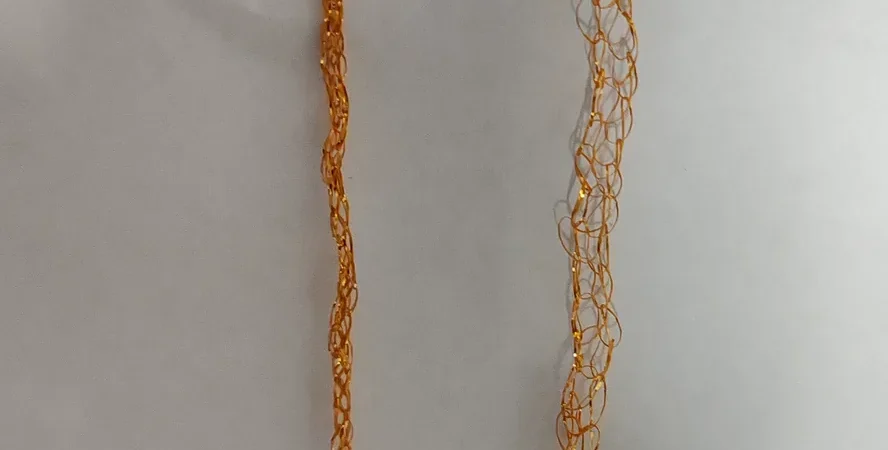
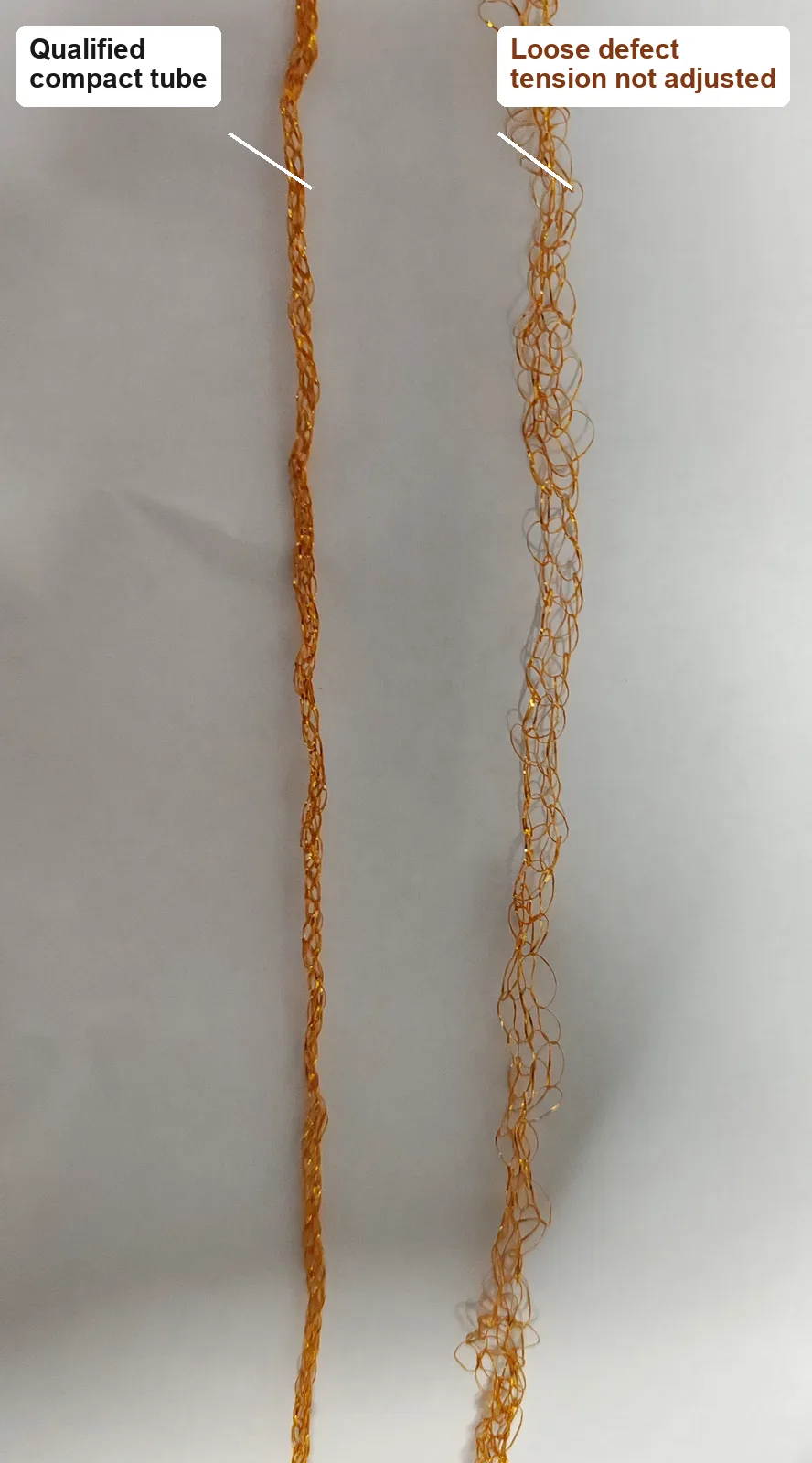
The factory comparison below shows the problem clearly. The yarn on the left is a qualified metallic lurex tape yarn with a compact tube structure. The yarn on the right is a defective sample. It is loose, open and irregular because the metallic yarn tension was not adjusted correctly through the tensioner during production.
Why Metallic Yarn Tension Control Matters
In metallic tape yarn and tube yarn production, the yarn is not only twisted or wound. The base yarn and metallic yarn must feed into the small-cylinder knitting or tape yarn process at a stable speed and with balanced tension. If the metallic yarn is too loose, it cannot stay close to the tube structure. If it is too tight, it may pull the structure, create uneven shine, or increase breakage risk.
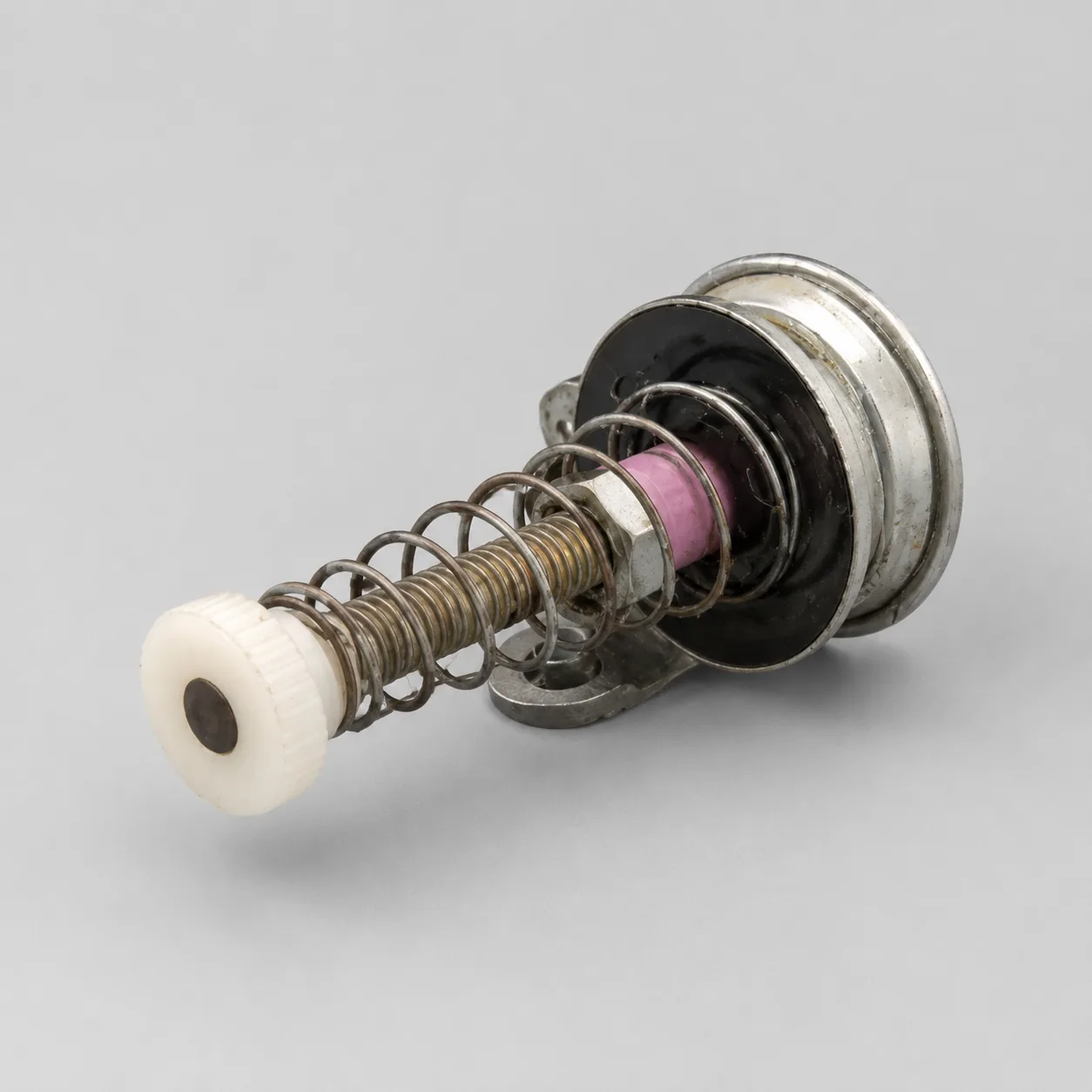
The tensioner shown below is one of the adjustment points used to control the feeding state of metallic yarn before it enters the forming area. The operator needs to guide the yarn through the correct path and adjust tension before stable running. Without this step, the finished tape yarn can become open, fluffy and unusable.
What a Qualified Metallic Lurex Tape Yarn Should Look Like
A usable metallic lurex tape yarn should have a stable and compact structure. The loops or tube formation should sit close enough that the yarn can pass through knitting, winding and sampling without opening. The metallic shine should appear continuous rather than broken into loose floating loops.
For buyers, the visual inspection is practical. A good sample normally shows three things: stable diameter, controlled metallic exposure and no obvious loose loops along the yarn body. When the yarn is used for sweater sampling or hand-knitting balls, it should feed smoothly and keep a consistent look after knitting.
Common Defect: Loose Metallic Yarn Structure
The unqualified sample in the photo is not just a cosmetic issue. Loose metallic yarn creates several downstream risks:
- The yarn body opens easily during winding or knitting.
- Metallic loops may catch on needles, guides or nearby yarns.
- The finished fabric can show uneven sparkle and irregular texture.
- The buyer may reject the sample because it cannot represent bulk production quality.
- For sweater development, unstable yarn makes gauge and appearance hard to control.
This is why a metallic effect yarn cannot be judged only by color. The yarn structure and production tension must also be checked before confirming bulk order details.
Production Checkpoints for Metallic Tape Yarn
When producing metallic tape yarn or metallic tube yarn, the factory should confirm several checkpoints before continuous production:
- Correct yarn path: the metallic yarn should pass through the designed guide and tensioner route.
- Tension balance: tension should be adjusted before the machine reaches stable production speed.
- First-meter inspection: the first produced section should be checked for compactness, shine and loop stability.
- Sample comparison: operators should compare the running sample with an approved quality sample.
- Knitting test: if the yarn is for sweaters, a small swatch is useful to confirm feed stability and appearance.
These checks are especially important when the order uses metallic yarn together with acrylic, cotton, polyester or blended yarns. Each yarn behaves differently under tension, and the metallic component can expose poor adjustment faster than ordinary yarn.
Color and Dyeing Notes for Metallic Lurex Yarn
For metallic tube yarn, color planning should happen before production. If cotton, acrylic or polyester yarn is used together with lurex, the base yarn normally needs to be dyed or selected in the target color before the tube yarn is made. Polyester dyeing often requires high temperature and pressure, while metallic yarn should not be exposed to harsh after-dyeing conditions because the metallic surface can lose gloss or discolor.
For this reason, buyers should confirm color requirements early. The factory can work from customer color numbers, Pantone references, fabric swatches or existing color cards. The base yarn may be solid color or space dyed, and the metallic component can be selected in gold, silver or other effect colors depending on the target look.
Buyer Checklist Before Ordering Metallic Yarn
If you are sourcing metallic yarn for sweaters, knitted jackets, scarves or hand-knitting balls, ask for more than a beautiful photo. A good sourcing request should include target count, composition, desired hand feel, target color, sample use and whether the metallic effect should be subtle or obvious.
Before confirming bulk production, check the following:
- Does the yarn sample have a compact and stable tube or tape structure?
- Are there loose metallic loops along the yarn body?
- Can the supplier explain how tension is controlled during production?
- Has the base yarn color been selected or dyed before adding metallic yarn?
- Does the knitted swatch keep the intended shine and texture?
- Is the yarn suitable for the target machine gauge and garment type?
For related sourcing details, see our Metallic Tape Yarn category, lurex yarn guide, and the article on why color yarn is selected before making metallic tube yarn. If you are developing a new yarn, the yarn sample development guide explains what information helps us make a more accurate sample.
FAQ
Is loose metallic tape yarn still usable?
Usually not for normal sweater or hand-knitting use. If the metallic structure is already loose before knitting, it may catch, open further, or create an unstable fabric appearance.
Can the defect be fixed after production?
In most cases, the better solution is to correct tension and remake the yarn. A loose tube structure is a production-control issue, not a simple finishing problem.
Does every metallic yarn need the same tension setting?
No. Different base yarns, metallic yarn thickness, yarn count and target structure need different tension settings. The operator should adjust based on the actual order and approved sample.
What information should buyers provide for metallic lurex yarn samples?
Provide target yarn count, composition, color reference, metallic effect color, end use, hand feel requirement and any fabric or yarn sample you want to match.
For general textile terminology, the Textile Institute Textile Terms and Definitions is a useful industry reference. For actual metallic yarn sampling, factory-side machine adjustment and sample comparison are still necessary because the same material can perform differently under different production settings.
Related Sourcing Pages
Use these related pages when you want to compare yarn directions, request a sample, or prepare clearer specifications for Qianyao Textile.
- Metallic Tape Yarn – lurex and metallic tube yarn directions.
- Tape Yarn – round tape and tube-style sweater yarn options.
- Request Yarn Sample – send count, composition, color and hand-feel requirements.
- Yarn Specification Checklist – prepare clear sourcing details before sampling.
Need a Yarn Sample or Color Card?
If you are developing sweater yarns or fancy yarns for a bulk order, please share the target yarn count, composition, color requirement, hand feel and end use. Qianyao Textile can help check suitable yarn options, sample development and color-card support before bulk production.
- Request a yarn sample for custom development
- Request stock yarn color cards
- Use the yarn specification checklist
- Send a fancy yarn inquiry
Need a Fancy Yarn Recommendation?
Share your target garment, yarn count, material preference, color direction, sample photo and estimated order quantity. Qianyao Textile can help compare stock color cards, sample development options and bulk order feasibility.
Metallic Color Selection Before Tension Adjustment
Tension control is closely connected with material selection. Buyers can review this gold and silver metallic yarn selection guide before sampling so the base yarn color, Lurex color and tube structure are confirmed together.
Metallic Yarn Quality Problems Buyers Should Check Before Bulk Order
For metallic yarn and Lurex yarn used in knitting, the shine is only useful when the yarn structure is stable. A common quality problem is a loose metallic tube yarn or tape yarn structure: the yarn opens, loops become uneven, and the finished yarn cannot run smoothly in sweater production. In our production experience, this can happen when the metallic yarn tensioner is not adjusted correctly during making.
In the comparison sample, the qualified metallic yarn is compact and usable, while the defective yarn is loose and unstable. This is not only a visual issue. For knitwear buyers, poor tension control may affect sample approval, knitting efficiency, fabric surface appearance and final garment consistency.
Practical inspection points for metallic yarn sourcing
- Check whether the metallic yarn structure is compact, even and not overly open.
- Ask the supplier how tension is controlled for Lurex or metallic film during tube yarn production.
- Confirm whether the base yarn and metallic yarn are selected before production, because later dyeing may damage metallic shine.
- Review a physical sample under normal knitting tension before confirming bulk order.
If you are comparing a metallic tape yarn supplier or developing Lurex yarn for sweaters, send your target count, composition, color effect and fabric requirement through our yarn quotation and sample request page. You can also review gold and silver metallic yarn selection notes and tube yarn structure basics before placing a sample order.
Why Tension Control Matters in Metallic Tape Yarn
In metallic tape yarn production, tension control affects whether the final yarn is compact and usable. If the metallic thread is too loose, the finished yarn can open up, form unstable loops and fail during knitting. If the tension is too high, the yarn may lose flexibility or break during production.
For buyers, this is an important quality check when comparing lurex yarn suppliers. A qualified metallic tape yarn should have a stable structure, consistent shine and enough strength for the target sweater gauge or trim application.
If you need a custom metallic yarn sample, include the metallic color, base yarn color, target count and fabric use in your RFQ.
Metallic Yarn Manufacturer Quality Point: Tension Before Output
For metallic yarn manufacturing, tension is not a small machine setting. If the metallic thread is not adjusted correctly before output, the yarn can become loose, open and difficult to use. A qualified metallic tube or tape yarn should keep the metallic thread controlled inside the structure, so the yarn can move through knitting more smoothly.
This is why buyers should ask the supplier to check yarn compactness, metallic thread stability and sample fabric performance, not only the cone or swatch photo. The same gold or silver metallic thread can look very different when tension is too loose.
For an RFQ, include target count, yarn structure, metallic thread color, base yarn color, gauge and intended use. These details help the supplier choose the correct tension and production route.
Lurex Metallic Yarn Sampling Notes
Lurex metallic yarn and metallic Lurex yarn for sale searches often turn into factory questions about tension, breakage, hand feel and shine consistency. Ask for count, composition, knitting gauge, target fabric weight and final garment use before recommending a sample.
If the buyer is still comparing materials, start with what is Lurex yarn and metallic yarn vs Lurex yarn. Then send a sample request with the planned machine gauge and color reference.