Core-spun yarn and filled tube yarn are both useful fancy yarn structures, but they are not selected for the same reason. Understanding the difference helps buyers choose a yarn that matches the garment hand feel, texture and production requirement.
What is core-spun yarn?
Core-spun yarn normally uses a core and an outer fiber or yarn structure. This can help create stability, stretch control, surface effect or a combined material hand feel. In knitwear development, core-spun structures are often used when buyers need a specific balance between appearance and performance.
What is filled tube yarn?
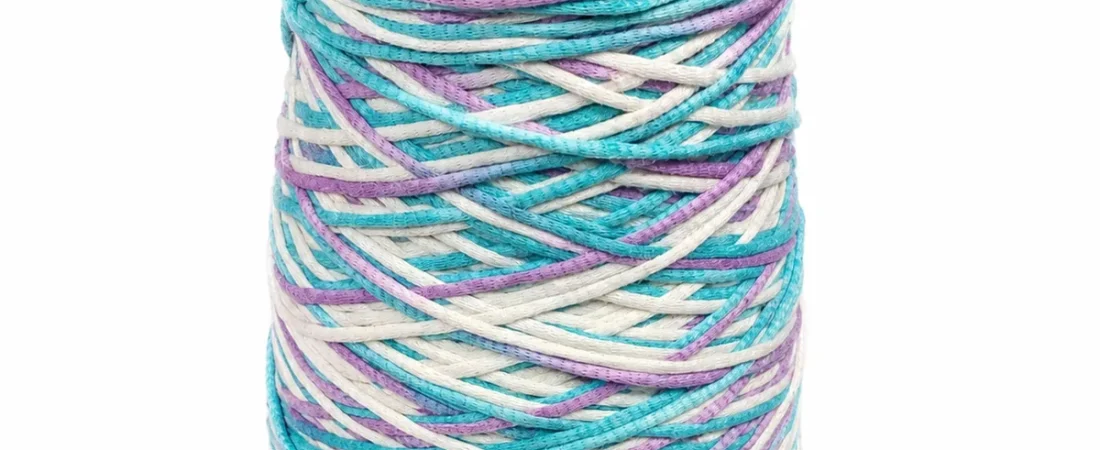
Filled tube yarn has a tube-like structure with material inside or around the tube. It can create a dimensional surface and a fuller hand feel. This type of yarn is often selected for decorative knitwear, sweaters and fashion fabrics that need visible structure.
How to choose between them
If the design needs a cleaner structure, controlled yarn performance or a specific material combination, core-spun yarn may be suitable. If the design needs more volume, a tube effect and a distinctive fancy surface, filled tube yarn may be a better direction.
Sample confirmation matters
Both yarn types should be confirmed by sample swatch before bulk production. Buyers should compare color, count, gauge, fabric weight, surface effect and final garment application. A small change in structure can strongly affect the knitted result.
View filled tube yarn products, check our fancy yarn product range, or contact Qianyao Textile for custom yarn structure development.
How to choose between structure and fabric effect
Core-spun yarn is often selected when the buyer needs a stable yarn body with a specific outside fiber or surface effect. Filled tube yarn is usually chosen when the design needs volume, structure or a more decorative appearance. The right option depends on the final fabric, not only the yarn name.
For knitwear projects, buyers should compare the yarn in a knitted panel. A cone sample can show color and basic texture, but it cannot fully show fabric thickness, elasticity, stitch clarity or drape. This is why sample development is useful when a buyer is developing a new sweater, cardigan, scarf or fashion fabric.
Practical comparison checklist
- Use core-spun yarn when strength, stability and controlled surface effect are priorities.
- Use filled tube yarn when volume, novelty texture and a fuller fabric look are priorities.
- Check the fabric gauge and garment weight before confirming the order.
- Compare color performance after knitting, especially for space dyed or mixed-color yarn.
- Ask whether similar stock yarns exist before starting full custom development.
For related structures, review our filled tube yarn, covered yarn and custom yarn development pages.
Related yarn guides
You can also browse our fancy yarn products or send a custom yarn inquiry.
More Fancy Yarn Sourcing Guides
For available color cards and faster sourcing discussion, buyers can also review our stock yarn color cards.
For a broader category overview, compare our fancy yarn product categories sourcing hub.
B2B Sourcing FAQ
How should buyers use this guide when sourcing fancy yarn?
Use this guide to shortlist the yarn structure, handfeel, color direction and target application before sending a sample request or bulk inquiry.
What details help Qianyao Textile recommend the right yarn?
Please share the target garment or fabric, yarn count, material preference, color requirement, knitting gauge, sample photo and estimated order quantity.
Can this topic be connected with stock colors or custom development?
Yes. Buyers can compare stock yarn color cards, review custom yarn development, or send a yarn inquiry.
Need a Fancy Yarn Recommendation?
Share your target garment, yarn count, material preference, color direction, sample photo and estimated order quantity. Qianyao Textile can help compare stock color cards, sample development options and bulk order feasibility.
Prepare a Clear Yarn Specification
Before requesting a quote, buyers can use the Yarn Specification Checklist to organize yarn count, composition, color reference, knitting gauge, hand feel, sample target and order plan. Clear specifications help us check suitable stock yarns, custom sampling direction and bulk feasibility faster.
Need a Filled Tube Yarn Supplier?
For structure, hand feel and custom sample preparation, read the Filled Tube Yarn Supplier Guide.
Core Spun Yarn Search Term Buyers Use
Some buyers search core spun yarn without a hyphen, while suppliers may write core-spun yarn. In sourcing discussions, both usually refer to a yarn structure where one yarn or fiber layer is built around a core to improve bulk, texture, elasticity or surface effect. When comparing core spun yarn with filled tube yarn, send the target count, gauge, material, fabric photo and hand-feel requirement so the supplier can judge which structure is more suitable.
When to Ask for Core-Spun or Filled Tube Yarn Samples
Core-spun yarn and filled tube yarn can both create decorative knitwear effects, but the right choice depends on the target fabric structure. Buyers should compare fabric photos, touch requirements and yarn count before confirming a sample direction.
- Choose core-spun yarn when the design needs a wrapped structure, stable strength or a specific outer yarn effect.
- Choose filled tube yarn when the fabric needs a rounder, fuller and more textured appearance.
- Send a reference: a fabric swatch or clear product photo helps avoid choosing the wrong structure.
- Confirm use: sweater panels, scarves and novelty accessories may need different sample yarns.
If you are not sure which structure fits your design, send both the fabric target and material requirement through our sample inquiry page.
Core-Spun Yarn Supplier Checks for Sweater Samples
Core-spun yarn is often selected when buyers need a yarn structure with a stable core and a softer or more decorative outside effect. Before asking a core-spun yarn supplier for a sample, confirm the final count, core material, outside fiber, color reference and target fabric weight. This helps avoid receiving a yarn that looks correct on cone but feels too stiff, too heavy or too loose after knitting.
For comparison, see our 13 NM space dyed core-spun yarn sample and 2.3 NM lurex nylon core-spun yarn sample. If the buyer wants a rounder and softer structure, tube yarn or filled tube yarn may be more suitable than a compact core-spun yarn.
For development, send the yarn count, gauge, fabric photo and hand-feel target through our RFQ page.
Core Spun Yarn Wholesale and Filled Tube Yarn Checks
Core spun yarn and filled tube yarn searches can come from buyers comparing yarn structure before sweater sampling. Core spun yarn usually focuses on wrapped construction and performance, while filled tube yarn is often checked for volume, softness, lightness and fabric appearance.
If you are comparing core spun yarn wholesale routes, send the target count, composition, fabric use and gauge. You can also browse filled tube yarn samples, review tape and tube yarn products, or send a sample request.